.svg)


For years, Joe Rogan has been one of the loudest voices pushing ibogaine into the mainstream. Here's a complete, balanced look at what he's actually said about iboga and ibogaine, the 2026 executive order he attended, what the Stanford research shows, and the crucial difference between iboga the plant and ibogaine the compound.
For years, few public figures have done more to push ibogaine into mainstream conversation than Joe Rogan. On The Joe Rogan Experience — one of the most listened-to podcasts in the world — he has repeatedly returned to the same idea: that a psychedelic compound from a West African shrub might help people break free from addiction and heal trauma when little else works.
In 2026, that years-long advocacy collided with national policy. This guide pulls together what Rogan has actually said about iboga and ibogaine, separates the hype from the evidence, and clarifies a distinction most headlines miss — the difference between iboga, the traditional plant, and ibogaine, the isolated compound.
Why Joe Rogan's ibogaine advocacy matters
Rogan isn't a scientist, and he's the first to say so. But his platform is enormous, and he has used it consistently to amplify stories of veterans and people with opioid addiction who say a single ibogaine experience changed their lives. That reach is exactly why his claims deserve a careful, honest look: they shape public perception far more than most peer-reviewed papers ever will.
What Joe Rogan has actually said about ibogaine
Across multiple episodes, Rogan's message has been consistent: he describes ibogaine as one of the most promising tools he's encountered for interrupting addiction, and he has highlighted its potential for veterans struggling with PTSD and traumatic brain injury.
One of the earliest and most personal accounts came from Aubrey Marcus, who described his own iboga experience with Moughenda Mikala, a 10th-generation Bwiti shaman, on the podcast — you can read that conversation here.
His most influential recent conversations were with former Texas Governor Rick Perry and W. Bryan Hubbard (a leading ibogaine-policy advocate), on episode #2251 and again in 2026. In those discussions, Perry and Hubbard framed ibogaine as a serious medical opportunity for veterans and made the case for publicly funded clinical trials — including a proposed multi-million-dollar appropriation in Texas to study it.
Rogan has also pointed listeners toward the striking outcomes some veterans report after treatment in clinics abroad, and toward the research beginning to document those outcomes (covered below).
A note on the numbers. Rogan has cited very high success figures for ibogaine and opioid addiction. Independent fact-checkers, including PolitiFact, have flagged those specific percentages as overstated relative to the current evidence. The honest summary: results in early studies are genuinely encouraging, but the claims that circulate online often run ahead of what's been proven. Treat dramatic percentages with healthy skepticism.
The 2026 turning point: a federal executive order
On April 18, 2026, the U.S. administration signed an executive order directing the FDA to accelerate review of certain psychedelic therapies, with a specific focus on ibogaine, and committing federal funding toward research. The order also pointed to a pathway for eligible patients to access investigational psychedelic compounds under existing "Right to Try" provisions.
Joe Rogan attended the signing, alongside W. Bryan Hubbard and former Navy SEAL Marcus Luttrell and Congressman Morgan Luttrell — a clear sign of how far the issue had moved from podcast talking point to policy. Officials framed the move around veteran mental health, noting that many veterans have been traveling to Mexico and other countries to seek ibogaine treatment that isn't legally available at home.
For a compound classified as Schedule I in the U.S., this was a significant shift — though it's important to stress that an executive order accelerating research is not the same as approval. Ibogaine remains investigational.
Discover our iboga retreat
14-Days with a 10 generation Missoko bwiti shaman. Start your journey or ask for info on whatsapp
Iboga vs. ibogaine: the distinction that changes everything
This is the point most coverage skips, and it matters enormously.
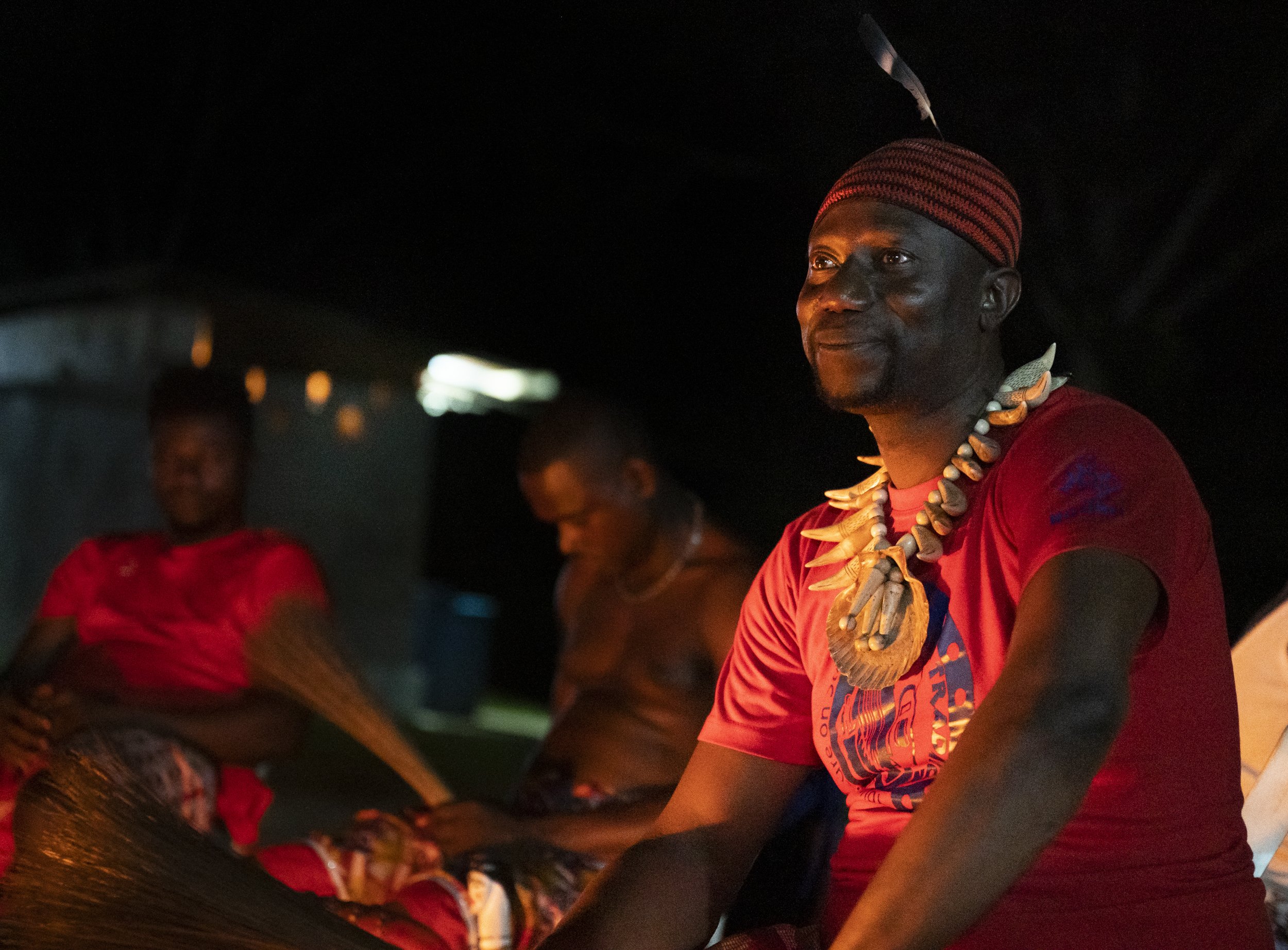
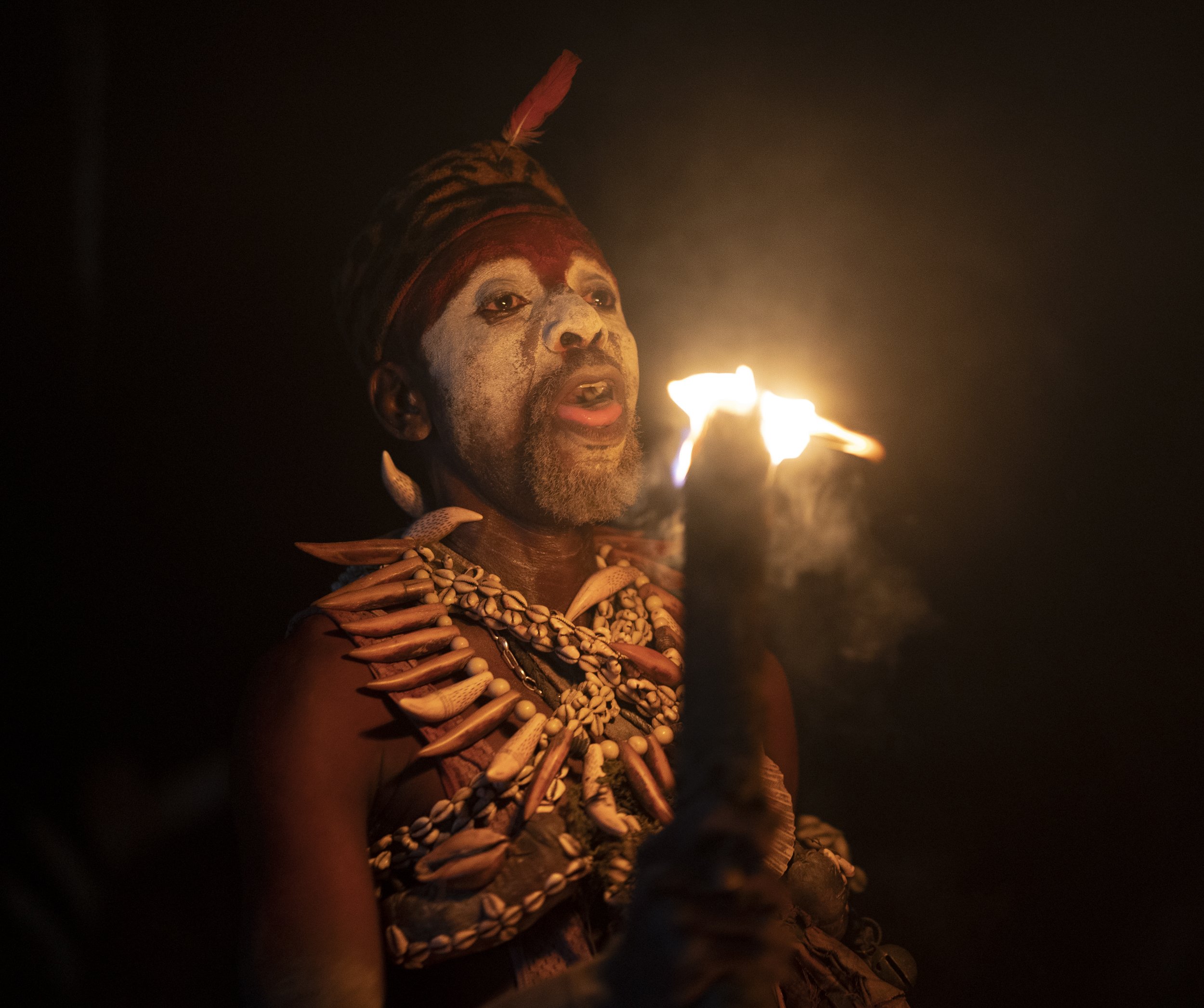
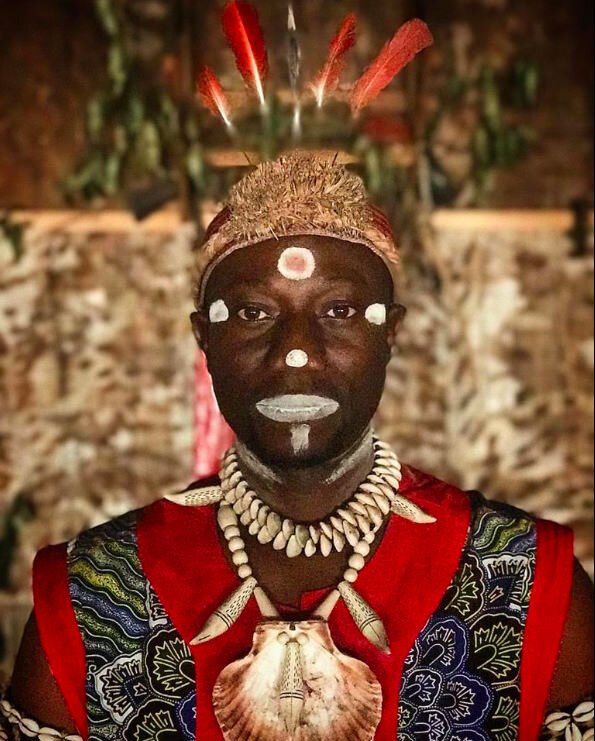
- Iboga (Tabernanthe iboga) is the whole plant — a shrub native to West and Central Africa, used for centuries in the Bwiti spiritual tradition of Gabon. Iboga is taken as root bark in a ceremonial, community setting, guided by trained practitioners. The experience is spiritual and introspective as much as physical.
- Ibogaine is a single alkaloid extracted from that plant. It's the compound studied in clinics for addiction and the one at the center of the policy debate. Ibogaine is typically administered in a medical setting because it carries real cardiac risks (see below).
In short: ibogaine is the clinical, isolated molecule; iboga is the ancestral plant and tradition it comes from. When people hear "Joe Rogan ibogaine," they're usually hearing about the clinical compound — but its roots are in the Bwiti use of iboga, a practice that long predates modern medicine.
What the science actually says
The most cited research is a Stanford study published in Nature Medicine (January 2024). Working with the nonprofit Veterans Exploring Treatment Solutions (VETS), researchers followed 30 veterans with traumatic brain injury who independently sought magnesium-and-ibogaine treatment at a clinic in Mexico.
The reported results were dramatic: around an 88% reduction in PTSD symptoms, 87% in depression, and 81% in anxiety at one-month follow-up, along with improvements in cognitive function and reductions in suicidal ideation. Brain imaging suggested increased neuroplasticity. No serious adverse events were reported in this cohort.
Those are remarkable findings — but they come with real caveats every reader deserves:
- It was a small, observational study (n=30) without a control group, not a randomized clinical trial.
- Participants were treated abroad under medical monitoring, including magnesium to help protect the heart.
- One month is a short follow-up window; durability over years is still being studied.
Researchers describe ibogaine's effect as a kind of neurobiological "reset" — it acts on multiple brain systems at once and may open a window of heightened plasticity that supports lasting behavioral change. Promising mechanism, early evidence.
Why safety and setting are non-negotiable
Ibogaine's biggest risk is cardiac. It can interfere with the heart's electrical rhythm (QT-interval prolongation), and unsupervised use has been linked to serious complications and deaths. This is precisely why responsible programs involve screening, medical monitoring, and trained guidance — and why "DIY" ibogaine is dangerous.
The traditional iboga context adds another layer: in the Bwiti tradition, the plant is never taken casually. It's approached with preparation, intention, experienced guidance, and aftercare — a framework that modern clinics are, in many ways, rediscovering.
Frequently asked questions
What is the hallucinogen that Joe Rogan talks about? Most often it's ibogaine, a psychoactive alkaloid derived from the West African iboga plant (Tabernanthe iboga). Rogan has discussed it primarily in the context of addiction and veteran PTSD.
What does iboga do to you? Iboga produces a long, introspective, dream-like state that users often describe as deeply reflective rather than recreational. In traditional Bwiti practice it's used for healing, self-examination, and spiritual initiation. Physically it's demanding, which is why guidance and screening matter.
Why did Rick Perry get involved with ibogaine? Former Texas Governor Rick Perry became a prominent advocate after meeting veterans who credited ibogaine with helping them recover from addiction and trauma. He has campaigned for publicly funded clinical trials.
Is iboga different from ibogaine? Yes. Iboga is the whole plant used ceremonially in the Bwiti tradition; ibogaine is a single compound isolated from it and used in clinical settings. Same origin, very different contexts.
Is ibogaine legal in the United States? As of 2026, ibogaine remains a Schedule I substance. A federal executive order has accelerated research and opened limited investigational pathways, but ibogaine is not an FDA-approved treatment.
Learn more
- What is iboga? A complete guide to the plant medicine
- Ibogaine treatment for opioid addiction
- Ayahuasca vs. iboga: key differences
- Authentic Bwiti iboga retreats
This article is for educational purposes and is not medical advice. Ibogaine carries serious cardiac risks and is not FDA-approved; never pursue it without qualified medical screening and supervision.